
Physiotherapy in Women's Health Research Group
The group's mission is to promote the growth of physiotherapy in women's health, promoting beneficial behaviors in the health and well-being of women with the vision of being the benchmark in Physiotherapy in Women's Health. The values of the FPSM Research Group are commitment, trust and innovation with the purpose of transferring clinical research in women's health to society, making it accessible to all women.
The main lines of research are developed within two large sections, the clinical section (physiotherapy in physiological processes such as pregnancy and menopause, and in pathophysiological processes, such as pelvic floor dysfunctions, oncological conditions and their different sequelae, and pain in women) and the educational section (therapeutic and health education, teaching innovation and service learning).
Group leader
María Torres Lacomba
Unidad Docente de Fisioterapia. Facultad de Medicina y Ciencias de la Salud. Universidad de Alcalá.
Collaborating Staff
- Jesús Lázaro-Carrasco de la Fuente
- Carmen María Hernández Iglesias
- Cristina del Valle Rubido
- Beatriz Navarro Brazález
- Fernando Vergara Pérez
- María José Yuste Sánchez
- Beatriz Sánchez Sánchez
- Laura Lorenzo Gallego
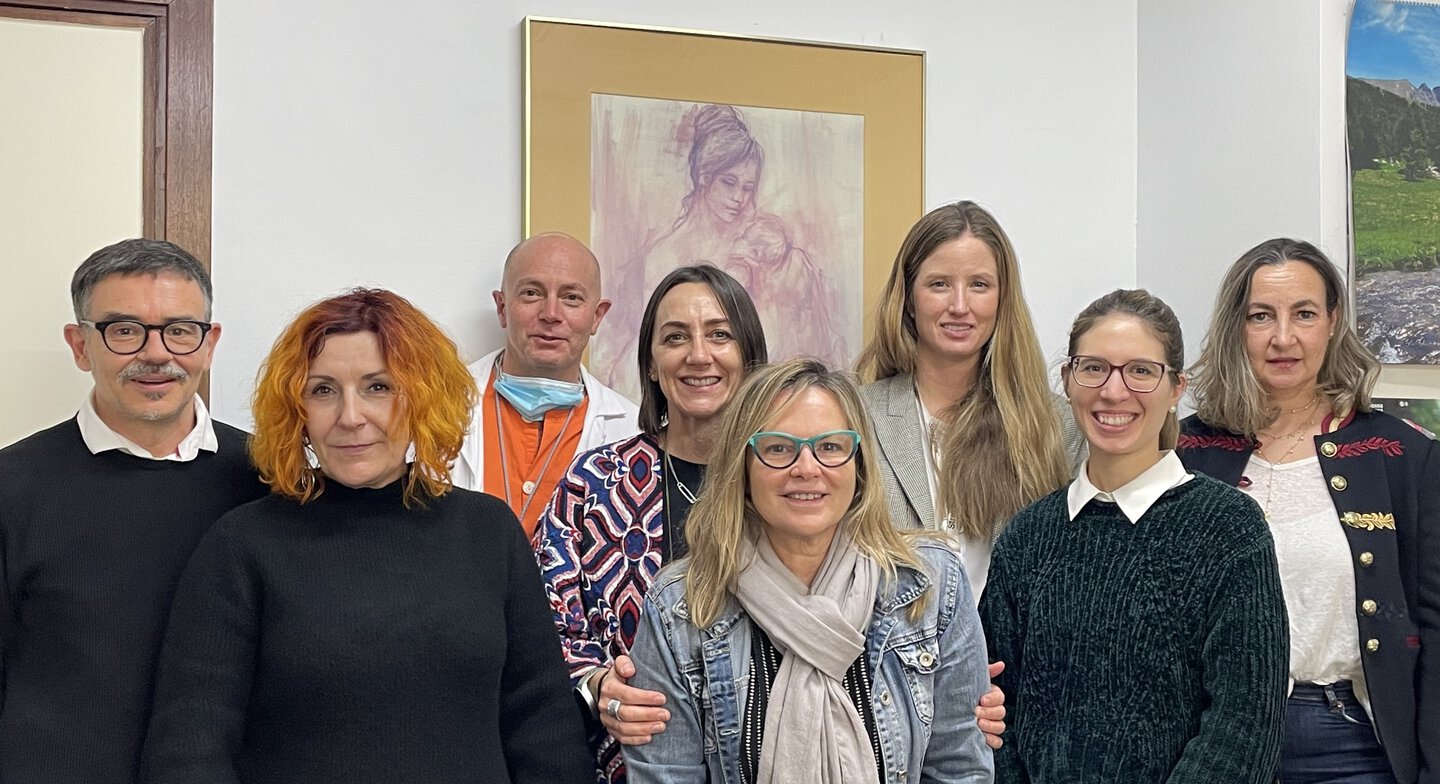
Group leader
María Torres Lacomba
Unidad Docente de Fisioterapia. Facultad de Medicina y Ciencias de la Salud. Universidad de Alcalá.
Collaborating Staff
- Jesús Lázaro-Carrasco de la Fuente
- Carmen María Hernández Iglesias
- Cristina del Valle Rubido
- Beatriz Navarro Brazález
- Fernando Vergara Pérez
- María José Yuste Sánchez
- Beatriz Sánchez Sánchez
- Laura Lorenzo Gallego
STRATEGIC OBJECTIVES
- Identify and develop diagnostic and therapeutic strategies for pelvic floor dysfunction resulting from female oncological conditions, particularly in women being treated for breast cancer or gynecological cancer.
- Design and evaluate therapeutic interventions for the prevention and treatment of genitourinary syndrome of menopause.
- Design and evaluate therapeutic interventions for the prevention and treatment of chronic pelvic pain.
- Develop educational programs for the prevention and/or treatment of pelvic floor dysfunction, pelvic pain, and other sequelae that may be associated with female oncological conditions.
- Adapt and validate self-administered questionnaires to assess and objectively measure the signs, symptoms, and quality of life of Spanish women with pelvic floor dysfunction.
RESEARCH LINES
- Evaluation of conservative and invasive therapies for genitourinary syndrome of menopause.
- Development of educational programs for the prevention and/or management of sequelae resulting from cancer treatments in women with cancer.
- Validation of PRO questionnaires.
Location
University of Alcalá
Department of Physical Therapy
School of Medicine and Health Sciences
Keywords
Physical therapy, women's health, pelvic floor dysfunction, breast cancer, gynecological cancer, genitourinary syndrome of menopause, pelvic pain, therapeutic exercise, clinimetry