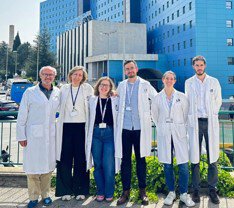
Roncal M, San Jose D, Díaz-Agero C, Vicente J, Moreno P, Peñalver B, Aranaz JM. Adverse events as key risk factors for in-hospital mortality in intensive care units
Crit Care. 2026
"Adverse events affect more than one in four ICU patients and double in-hospital mortality". -Dr Miriam Roncal Redín & Dr Diego San José Saras
Summary:
INTRODUCTION: Intensive care units (ICUs) represent high-risk environments for adverse events (AEs). Preventing these events requires a solid understanding of their epidemiology based on standardized and validated methodologies. The aim of this study was to quantify AEs using the established Harvard Medical Practice Study (HMPS) methodology, identify associated factors, and analyze their prognostic impact on critically ill patients.
MATERIALS AND METHODS: A multicenter observational study with a cross-sectional design was conducted in 26 hospitals across the Community of Madrid on a single, specified day in May 2019. Following the HMPS methodology and using its standardized instruments, clinical records were reviewed in two phases: (1) an AE screening phase and (2) a confirmation and characterization phase for cases with positive screenings. A multivariate logistic regression model was developed to identify variables associated with the presence of AEs, and the association between AEs and in-hospital mortality was assessed using an explanatory model adjusted for potential confounders.
RESULTS: A total of 458 patients were included, of whom 125 (27.3%; 95% CI: 23.4 to 31.6) had ≥1 AE. The following antecedents were associated with the presence of AEs: pressure ulcer (PU), hypoalbuminemia, mechanical ventilation, central venous catheter, surgical intervention and sensory deficit. Among the AEs found, 44.6% were health care-associated infections (HAIs). In-hospital mortality among patients with AEs was twice that observed in patients without AEs (OR: 2.15; 95% CI: 1.10-4.25).
CONCLUSIONS: The presence of AEs was associated with a two-fold higher risk of in-hospital mortality. Among the identified AEs, HAIs were the most frequent and had the highest mortality. Designing and implementing bundles of measures adapted to the individual risk of presenting AEs in the ICU emerges as the next step in the development of strategies to reduce the prevalence of AEs.
Why do you highligth this publication?
This study moves beyond describing the frequency of adverse events in the ICU by providing a standardized and multicentre assessment of their epidemiology, identifying patients at higher risk, and demonstrating their clinical impact on in-hospital mortality and healthcare burden. By applying the validated HMPS methodology together with WHO and ECDC definitions across 50 ICUs in 26 hospitals, the study provides more robust and comparable evidence on the epidemiology of adverse events in critically ill patients, addressing an important limitation of previous research.
Publication commented by:
Dr Miriam Roncal Redín & Dr Diego San José Saras
HEALTH OUTCOMES RESEARCH group. IRYCIS